Уважаемые авторы!
The ISFT Institute is steadily strengthening its contribution to the Sustainable Development Goals (SDGs) through mission-driven research. So far, ISFT faculty members have published over 100 Scopus-indexed papers, showcasing the Institute’s increasing prominence in the global academic scene and its expanding impact on sustainability-focused research.Here is a selection of our published work — a reflection of how we’re helping shape meaningful change and a better future.
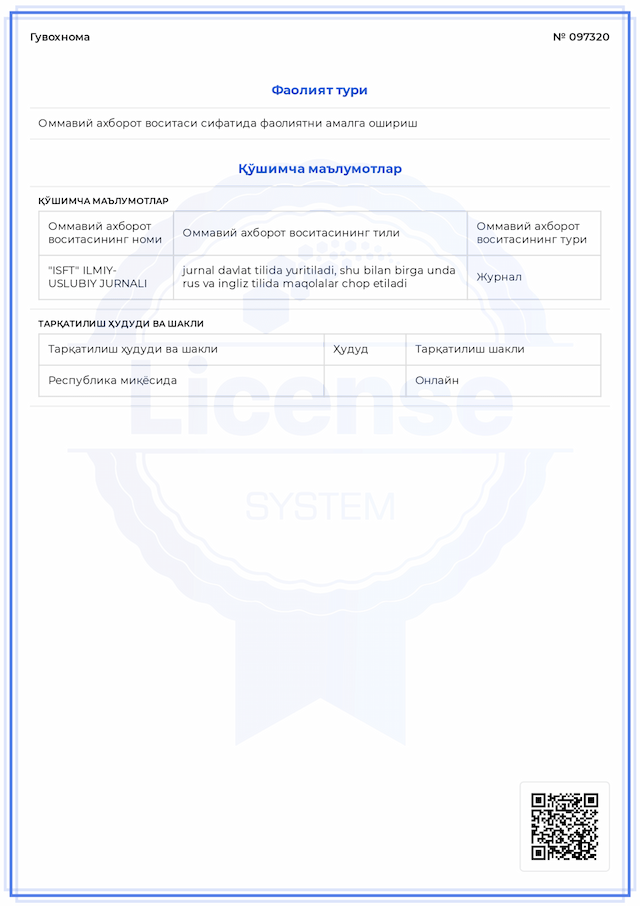
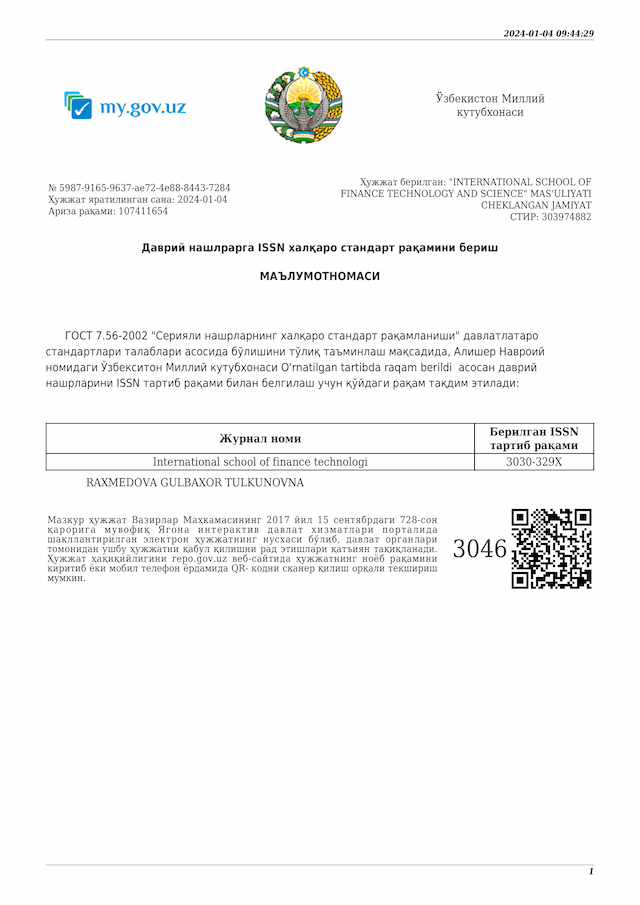
Beyond international publishing, ISFT operates its own peer-reviewed Scientific–Methodological Journal, active since 2023. Over this period, 9 issues have been released, featuring more than 180 research articles across finance, economics, education, philosophy, and philology. A meaningful share of ISFT’s research is devoted to themes that directly support the Sustainable Development Goals. Studies on the green economy and green accounting make up around 14% of all publications (25 articles), showing how seriously the Institute approaches environmental responsibility. Research on quality education and innovative teaching technologies accounts for about 10.5% (19 articles), reflecting our desire to make learning more engaging, modern, and accessible.
Attention to psychological well-being forms another important research direction, with nearly 8% of published work (14 articles) addressing mental health, emotional development, and student support. Topics related to gender equality and women’s empowerment represent around 6.5% of the output (12 articles), highlighting our commitment to fairness, inclusion, and expanding opportunities for women.
Meanwhile, about 6% of the studies (11 articles) explore the growing influence of artificial intelligence in education, showing how ISFT researchers stay curious about new technologies and their impact on the future of learning.
A significant milestone for the Institute came in November 2025, when the ISFT Scientific–Methodological Journal was officially added to the Higher Attestation Commission (OAK) list in philosophy, philology, psychology, and political science. This recognition significantly strengthened the journal’s academic credibility and signalled that ISFT’s research culture is maturing and gaining national respect.
All of these efforts — international cooperation, support for young scholars, and the growth of internal research platforms — reflect one shared vision. ISFT believes that strong, meaningful research is not just about publications; it is about contributing to a better future.