ISFT ILMIY - USLUBIY JURNALI
Turn your ideas into pages— submit your article today!
Submit your article now! Our platform welcomes your insights, analytical thinking, and creative perspective. Each submission article is carefully reviewed, and the most outstanding works are published in our journal. Your knowledge and unique point of view can inspire others and contribute meaningfully to the world of science and thought.
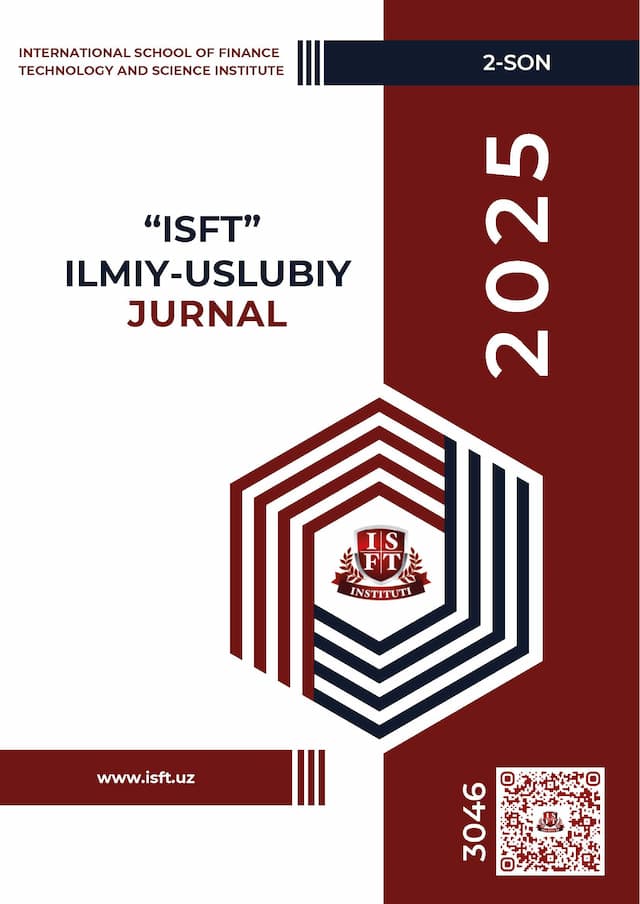
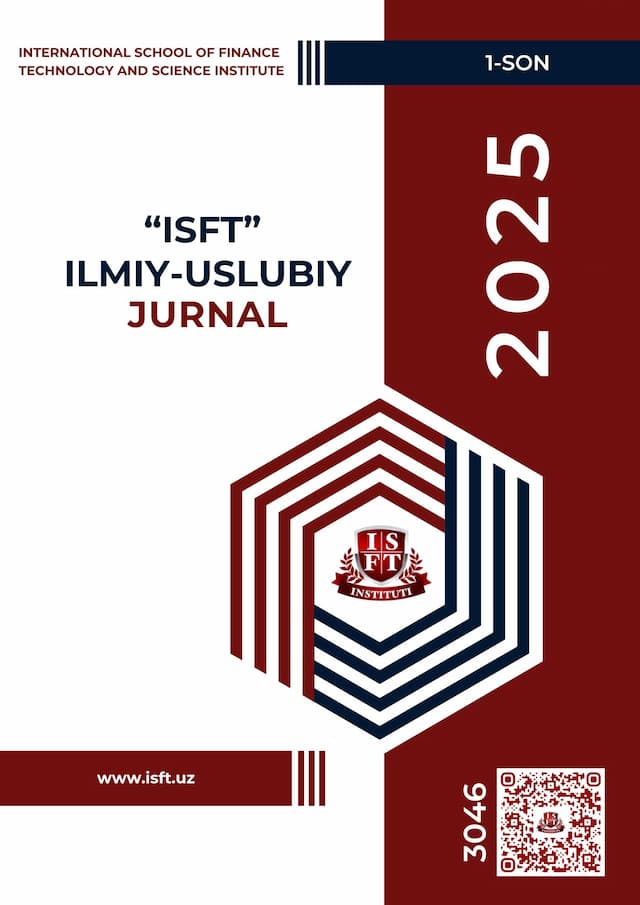
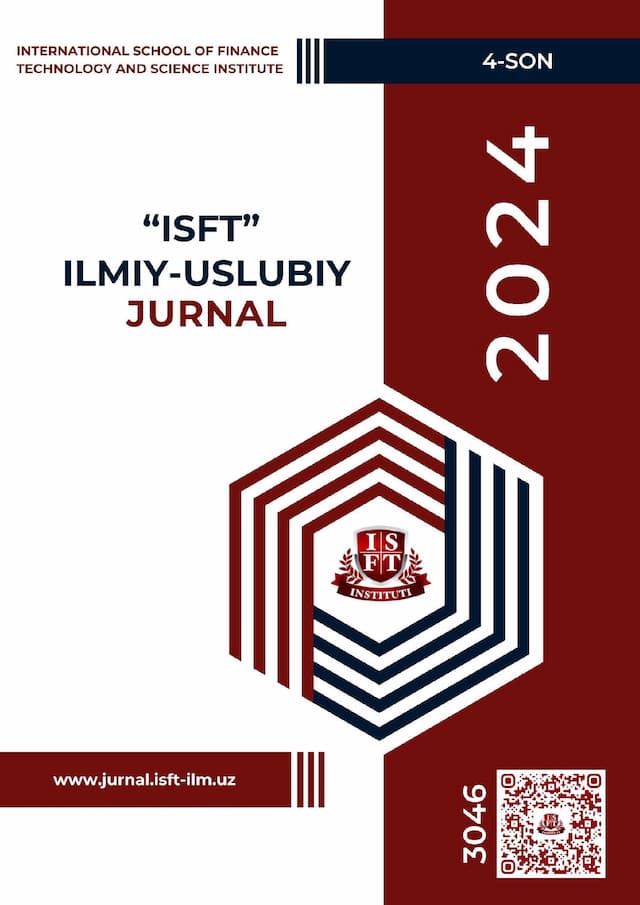
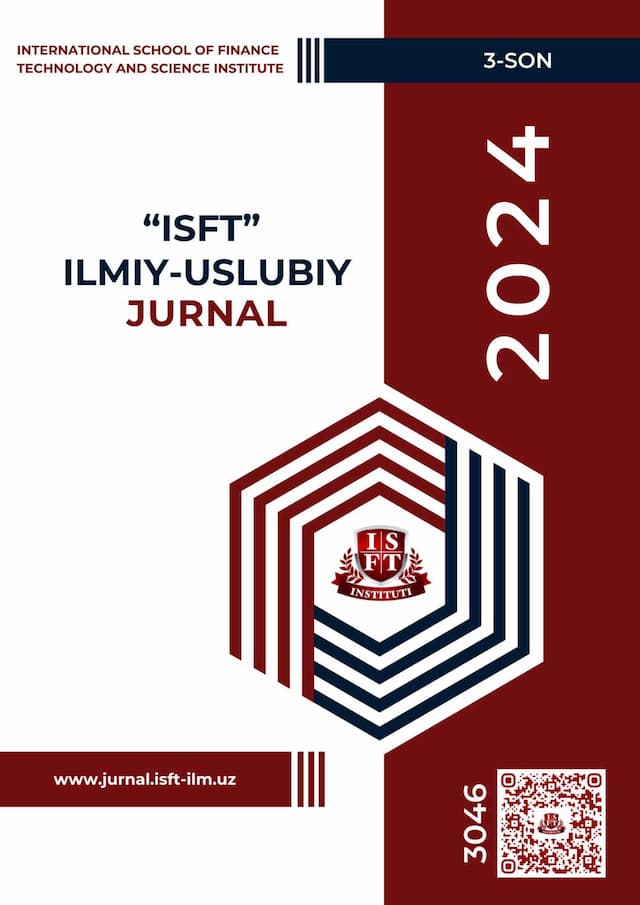
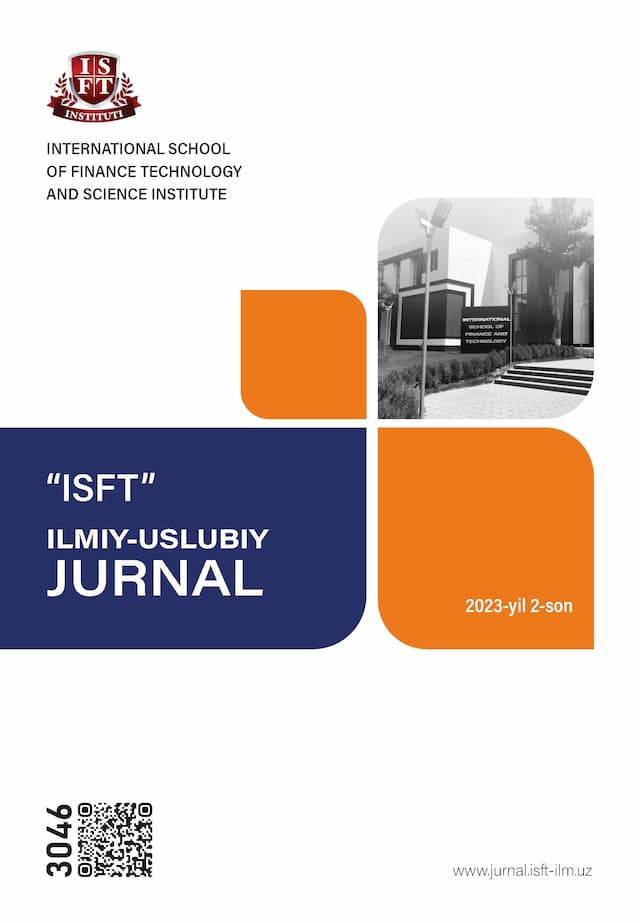
ISFT Scientific and Methodological Journal
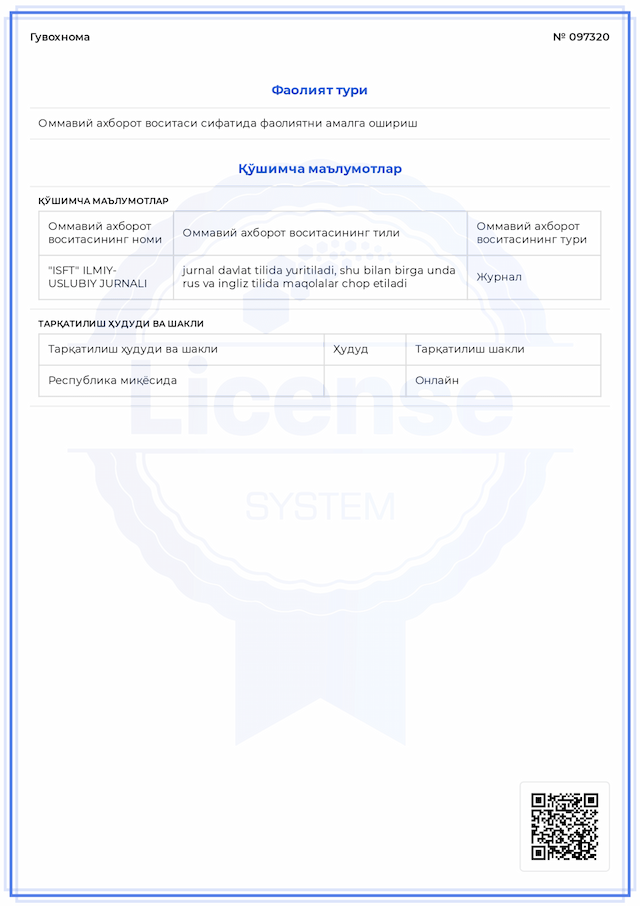
The ISFT Scientific and Methodological Journal is published on the basis of Certificate No. 097320 issued by the Agency of Information and Mass Communications under the Administration of the President of the Republic of Uzbekistan, which grants the journal the legal right to conduct publishing activities.
By Resolution No. 377/6 of the Presidium of the Higher Attestation Commission of the Republic of Uzbekistan dated 27 November 2025, the journal is recommended as a national scientific publication for the dissemination of the main scientific results of doctoral dissertations (PhD, DSc) in philosophy, psychology, pedagogy, and political sciences.
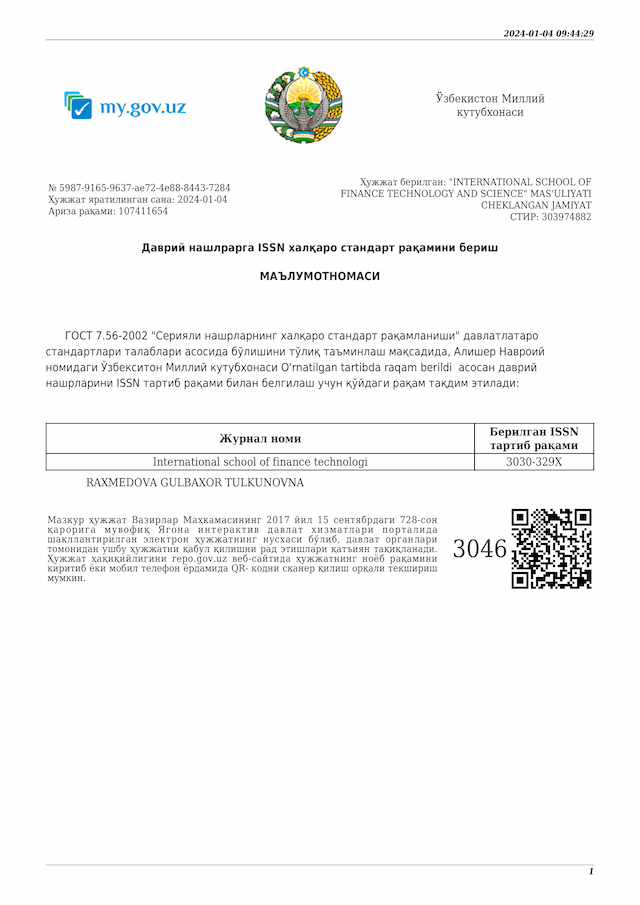
Furthermore, in order to ensure full compliance of its periodical issues with international standards, the ISFT Scientific and Methodological Journal has been assigned the International Standard Serial Number ISSN 3030-329X, under which the journal operates.
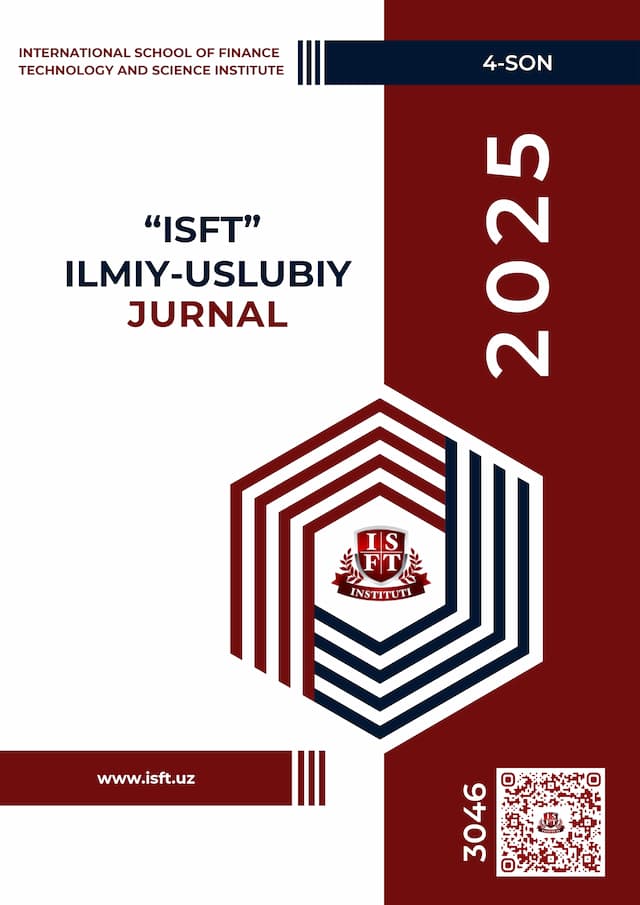
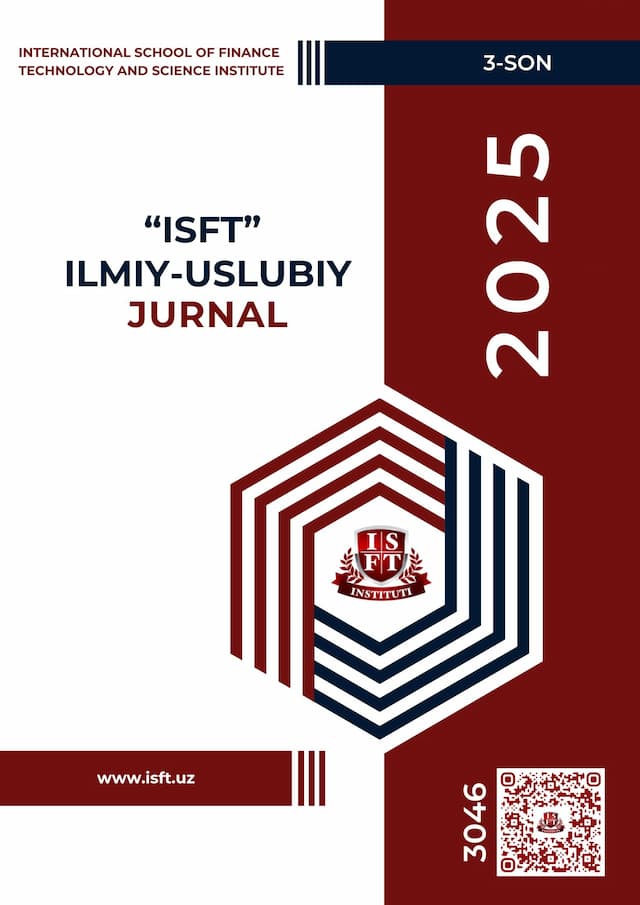
The journal is published quarterly, with one issue released every three months, Articles are published in Uzbek, Russian, and English.
ISFT scientific and practical conference materials collection
The Sustainable Development Goals (SDGs), adopted by all UN Member States in 2015, provide a shared blueprint for peace, prosperity, and environmental stewardship. With 17 interconnected goals and 169 targets, they call for urgent global action to end poverty, reduce inequality, and protect the planet while ensuring inclusive growth and justice. Annual reports serve as a vital mechanism to track progress, highlight challenges, and strengthen accountability, ensuring that commitments translate into measurable impact.
At ISFT Institute, we align our vision with these global objectives by embedding sustainability into our policies, curriculum, and campus programs. Our commitment is demonstrated through expanding renewable energy use, advancing inclusive education, enhancing accessibility, and fostering partnerships that amplify regional and global impact. By reporting transparently and acting decisively, we ensure that no one is left behind in building a resilient and equitable future.

Licenses and certificates